



Grades
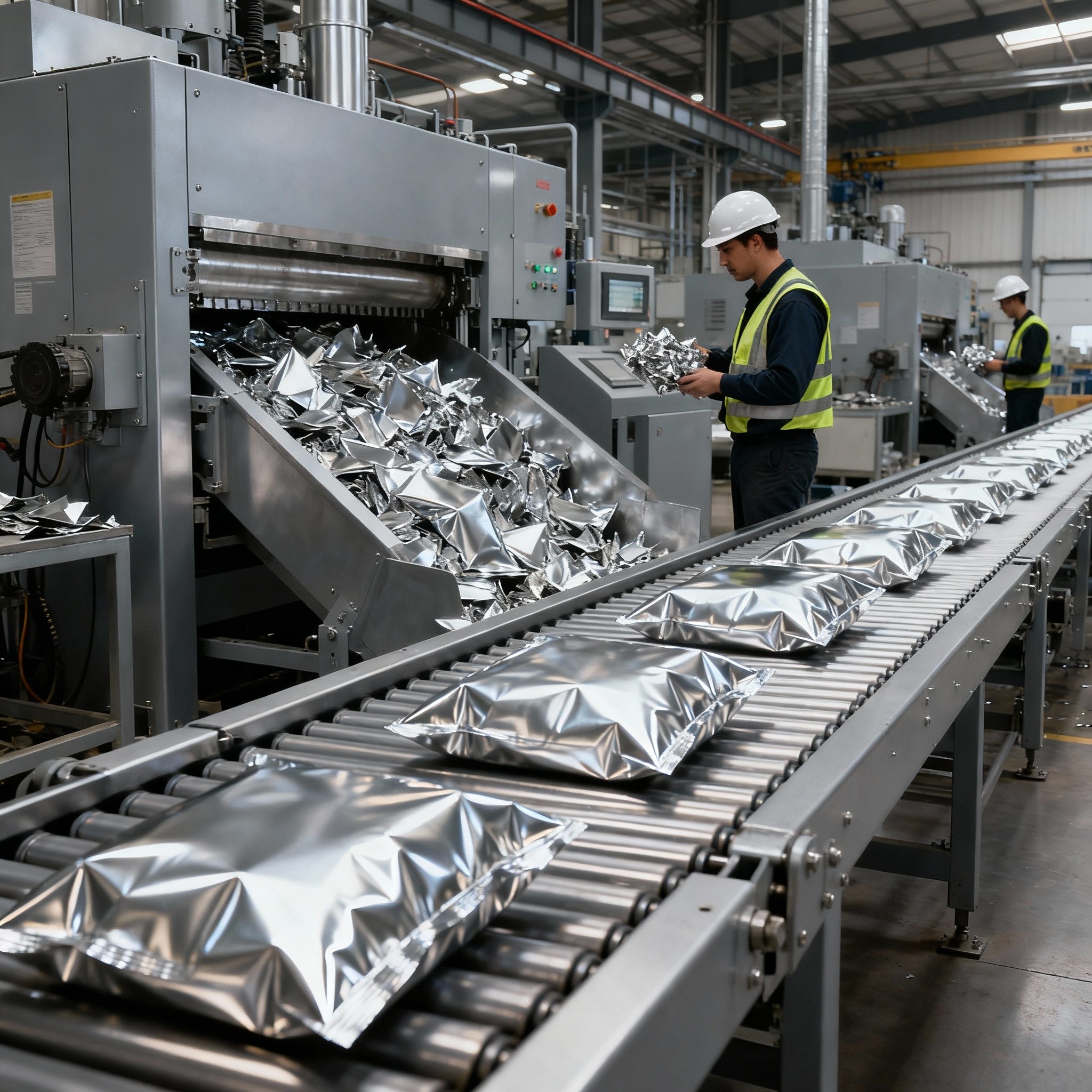
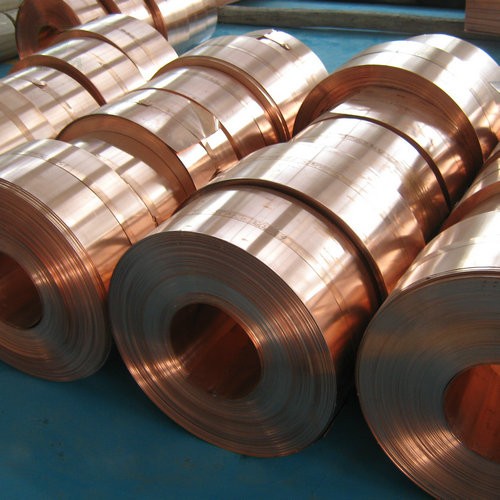
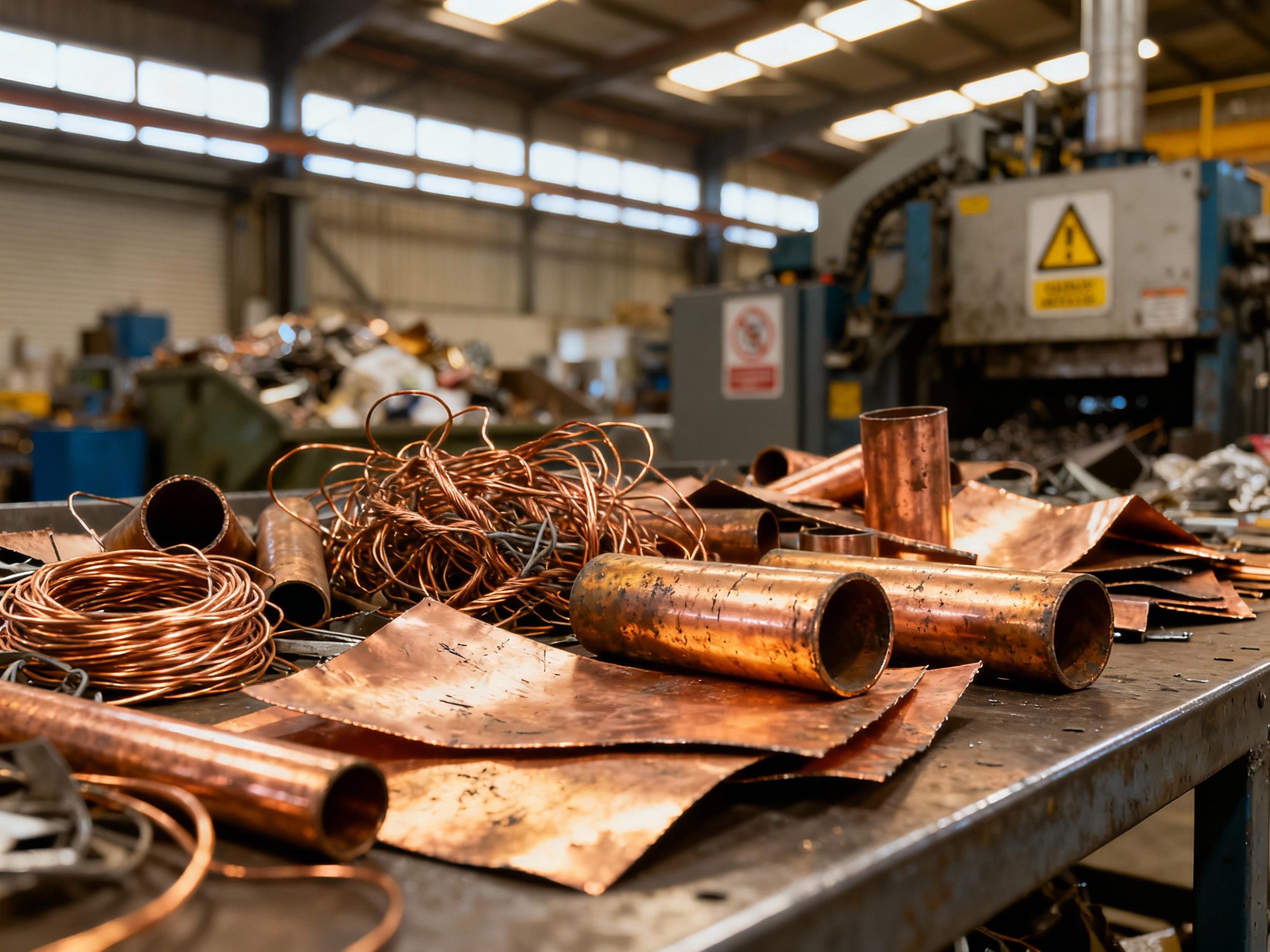
We specialize in supplying premium Aluminium and Copper grades tailored for diverse industrial needs.
Our commitment to quality ensures every grade meets the highest performance standards
Aluminium
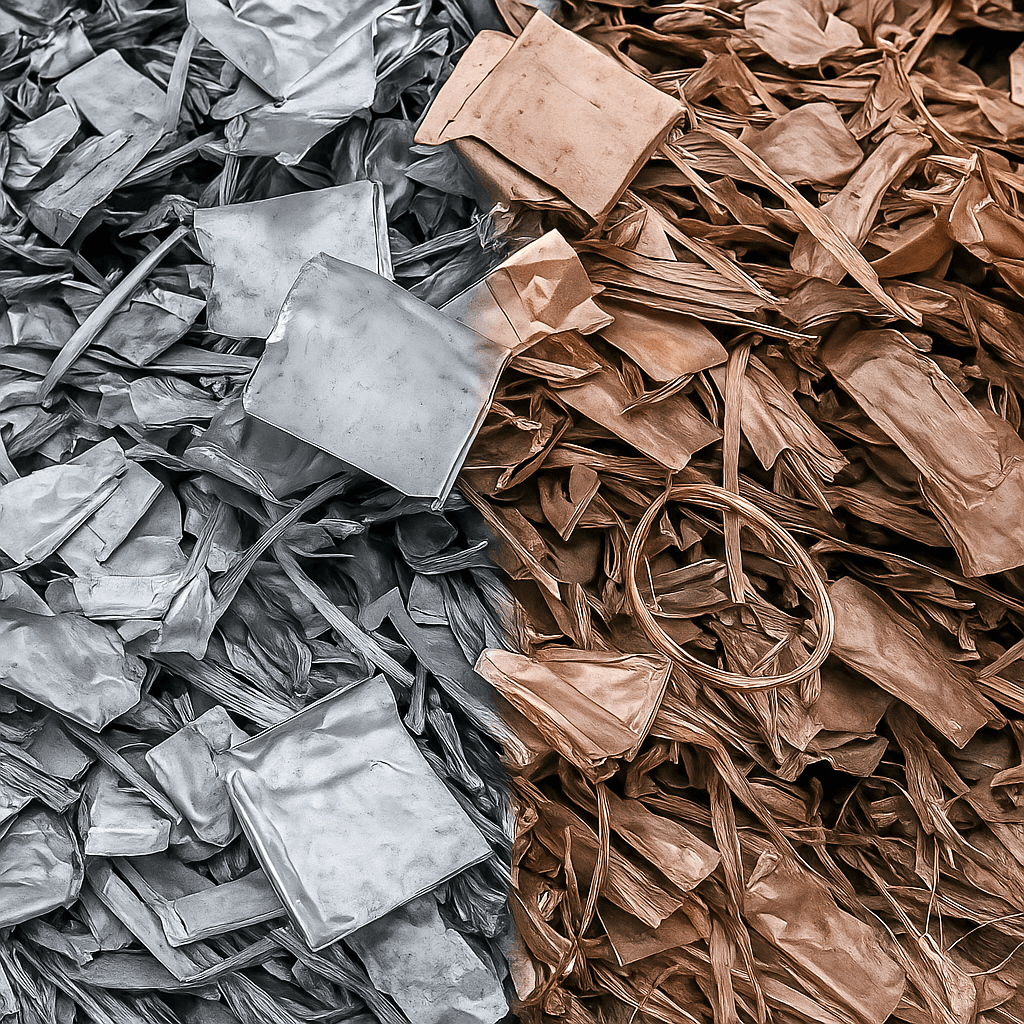
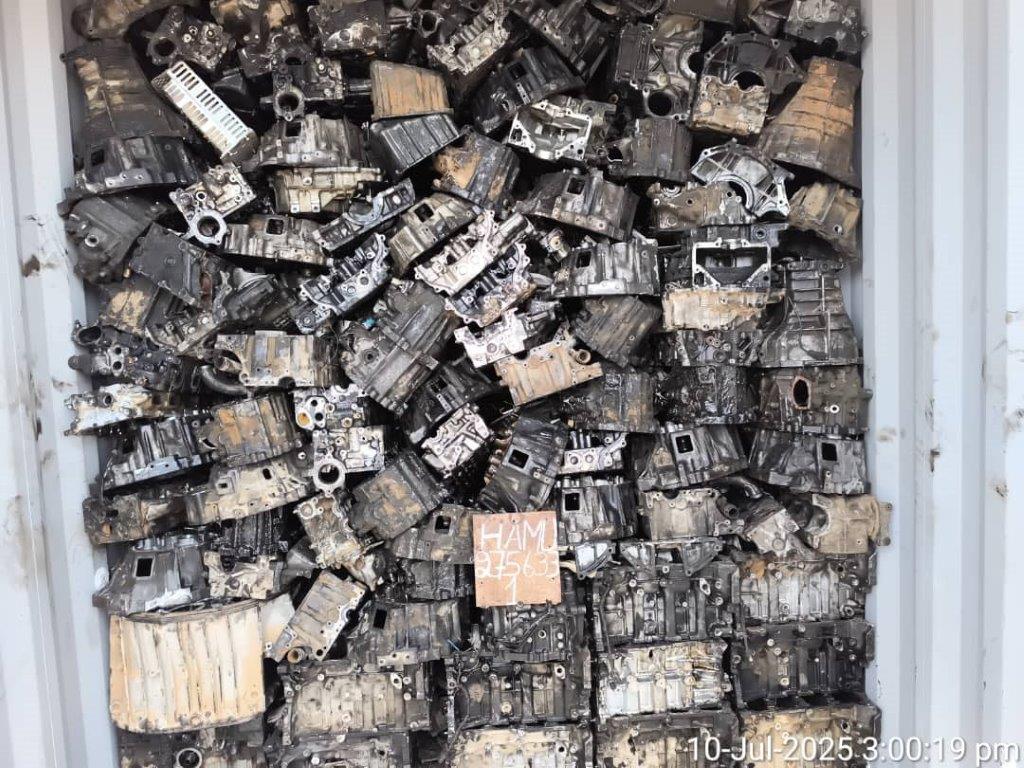
Taint Tabor
Aluminium
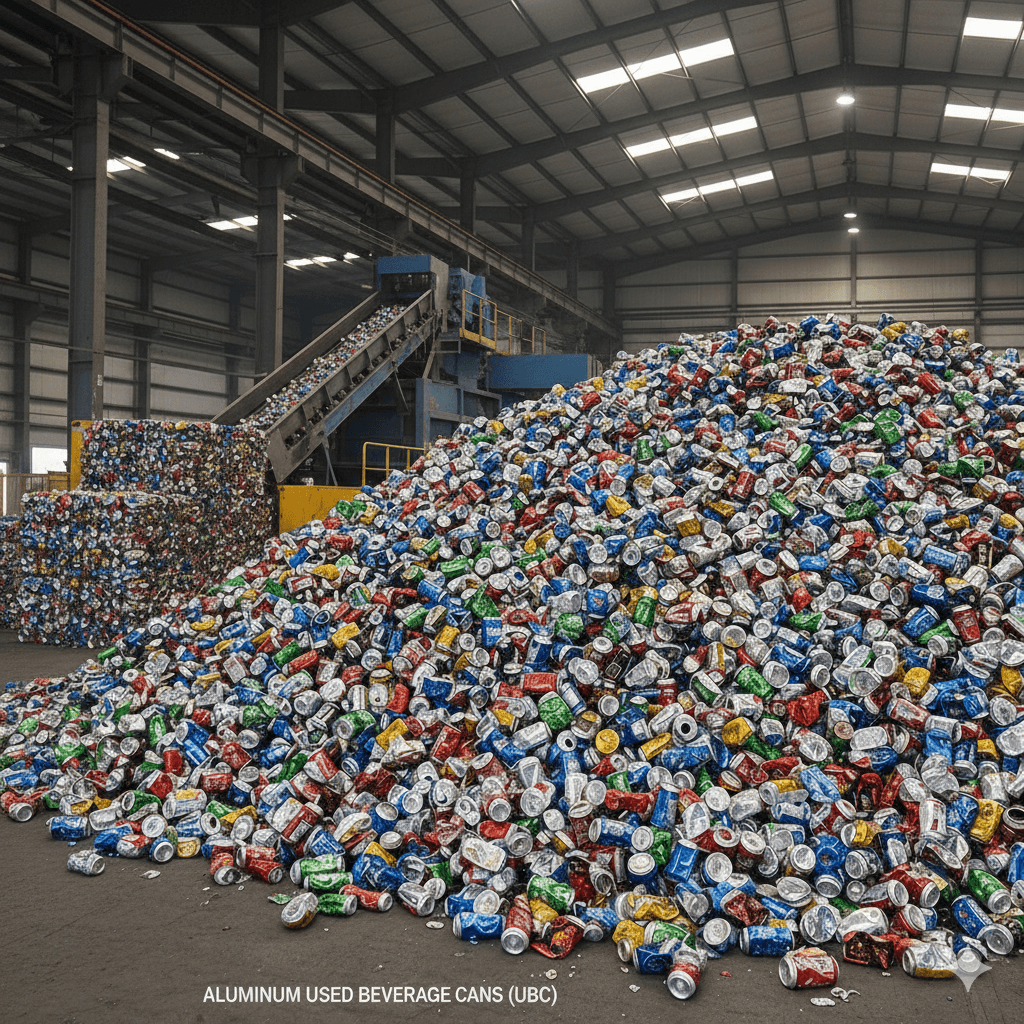
Used Beverage Cans (UBC)
Aluminium
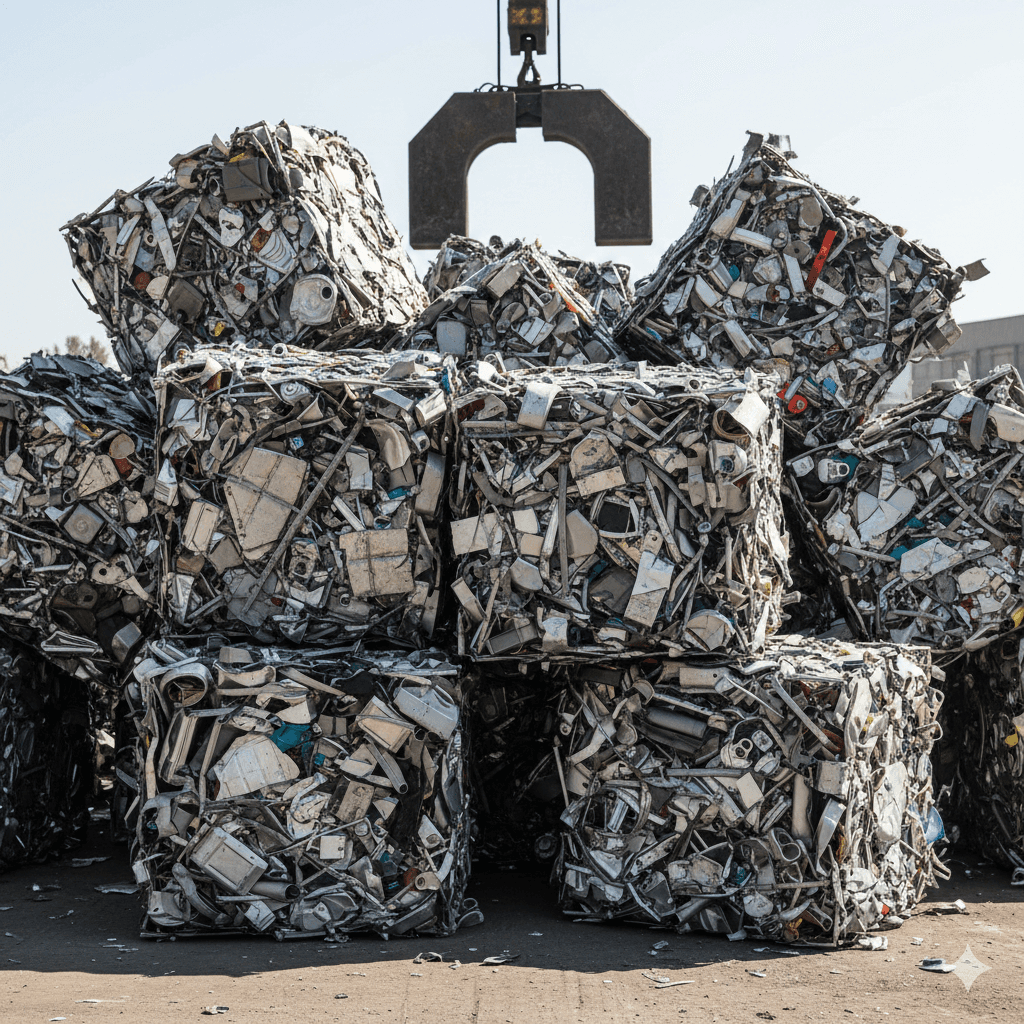
Tense
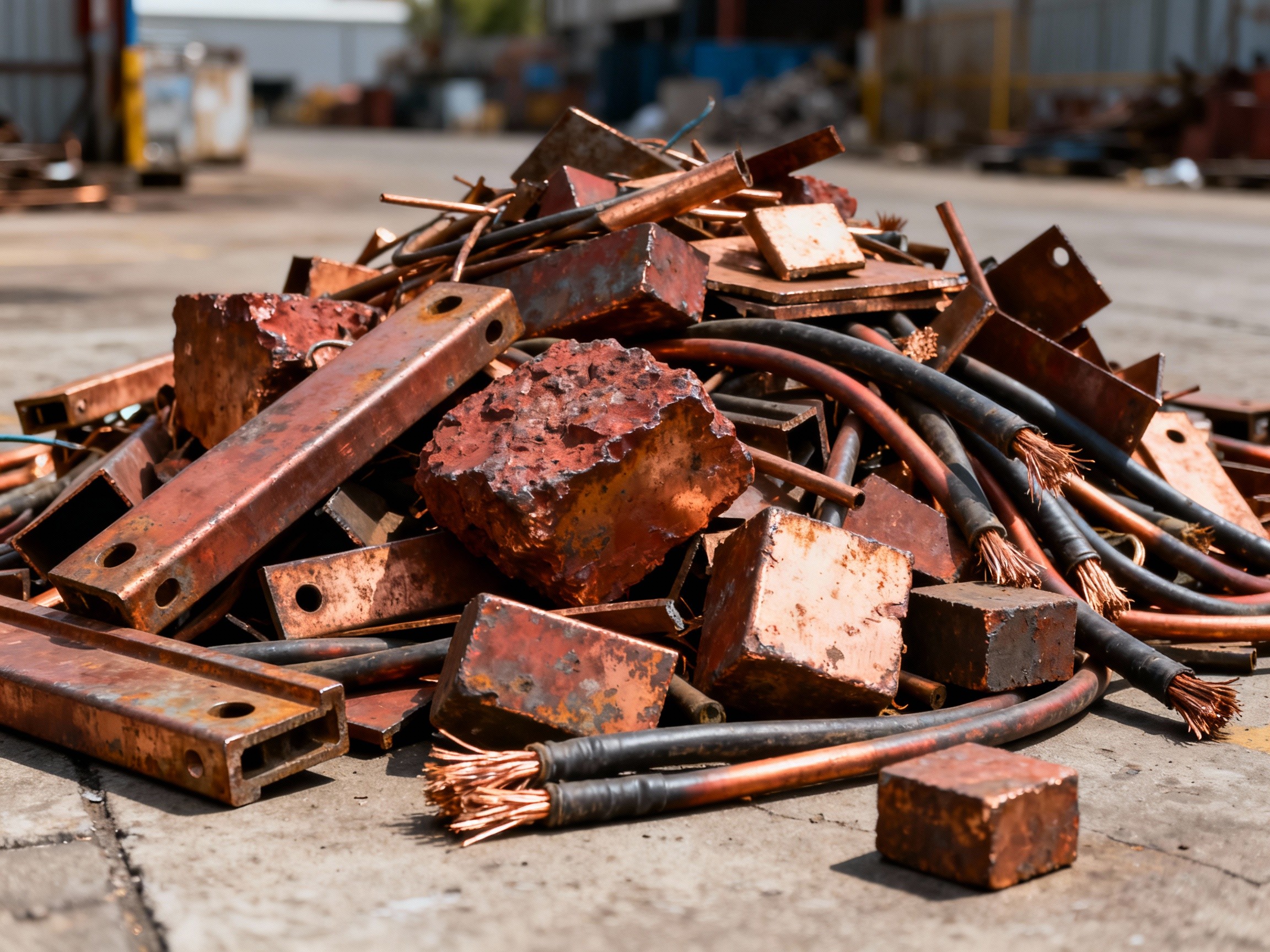
Copper
Cliff
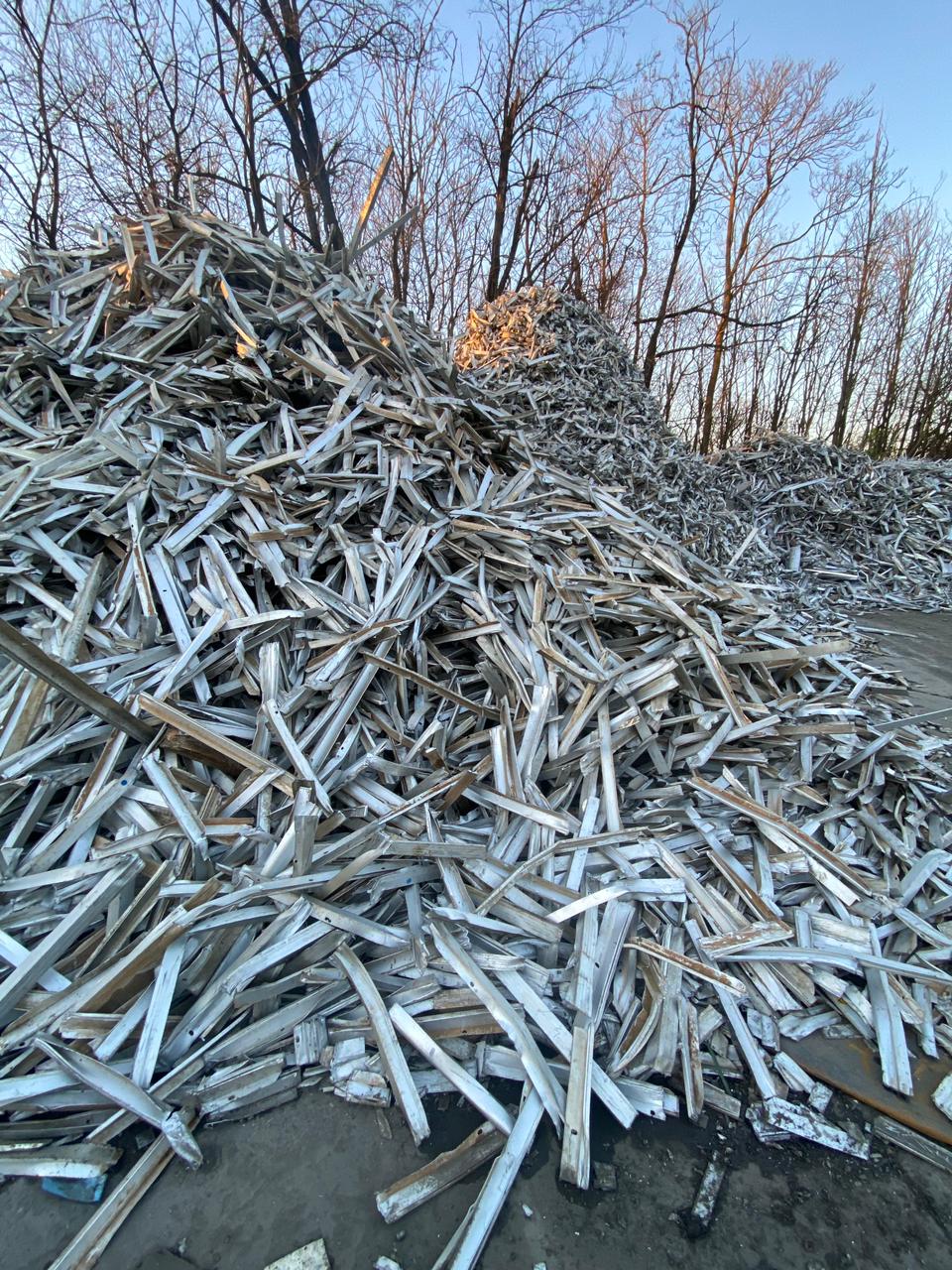
Aluminium
Extrusion 6063, 6061
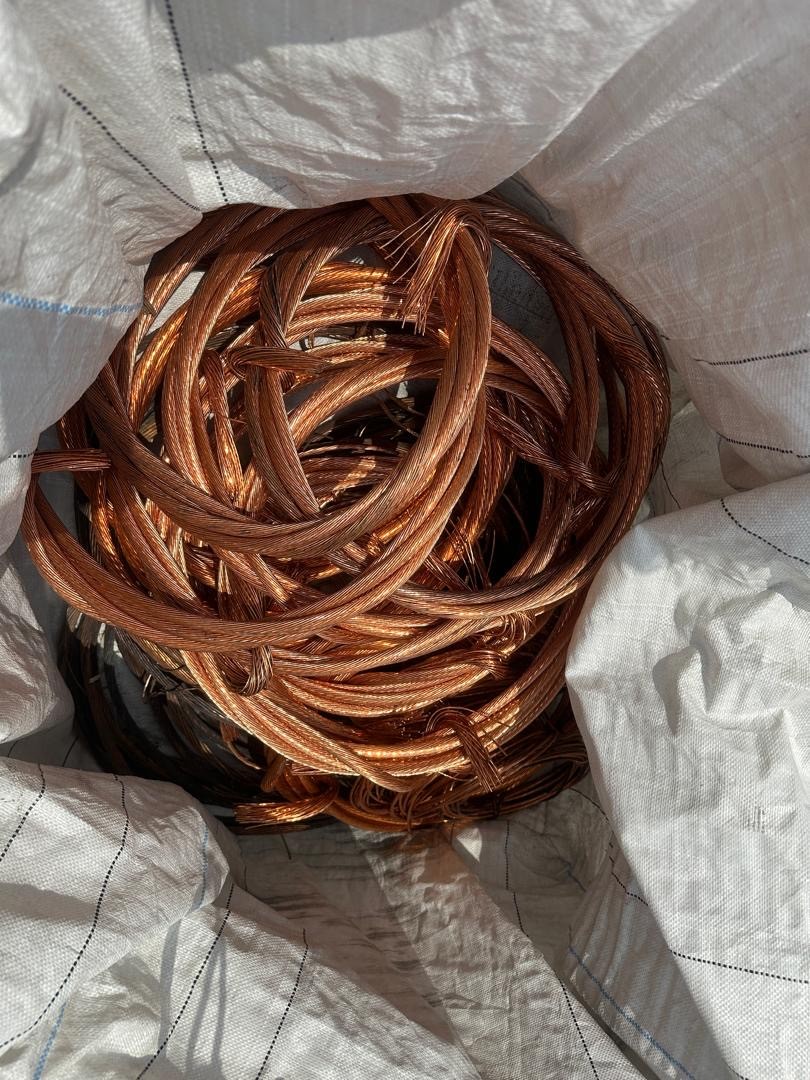
Copper
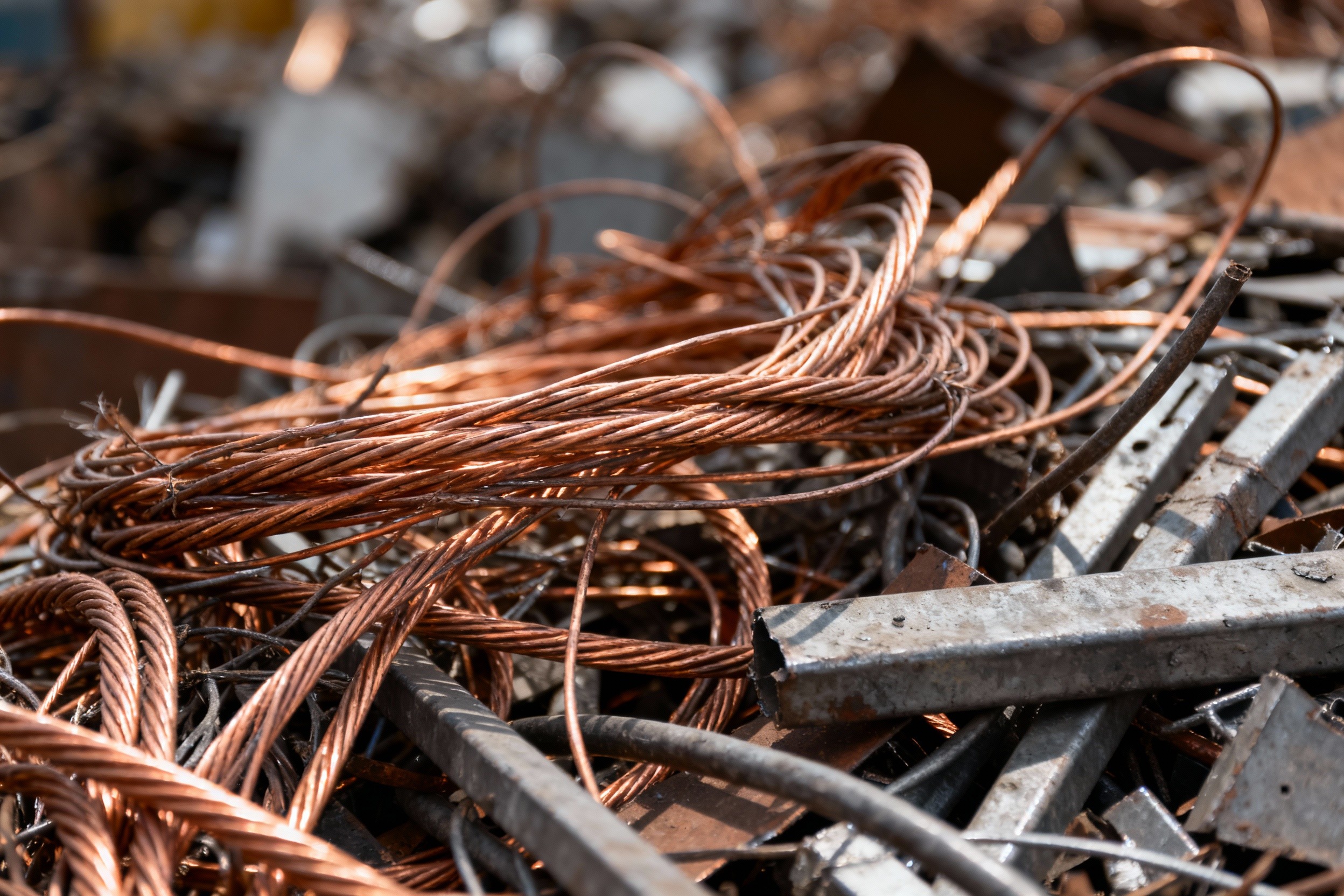
Berry
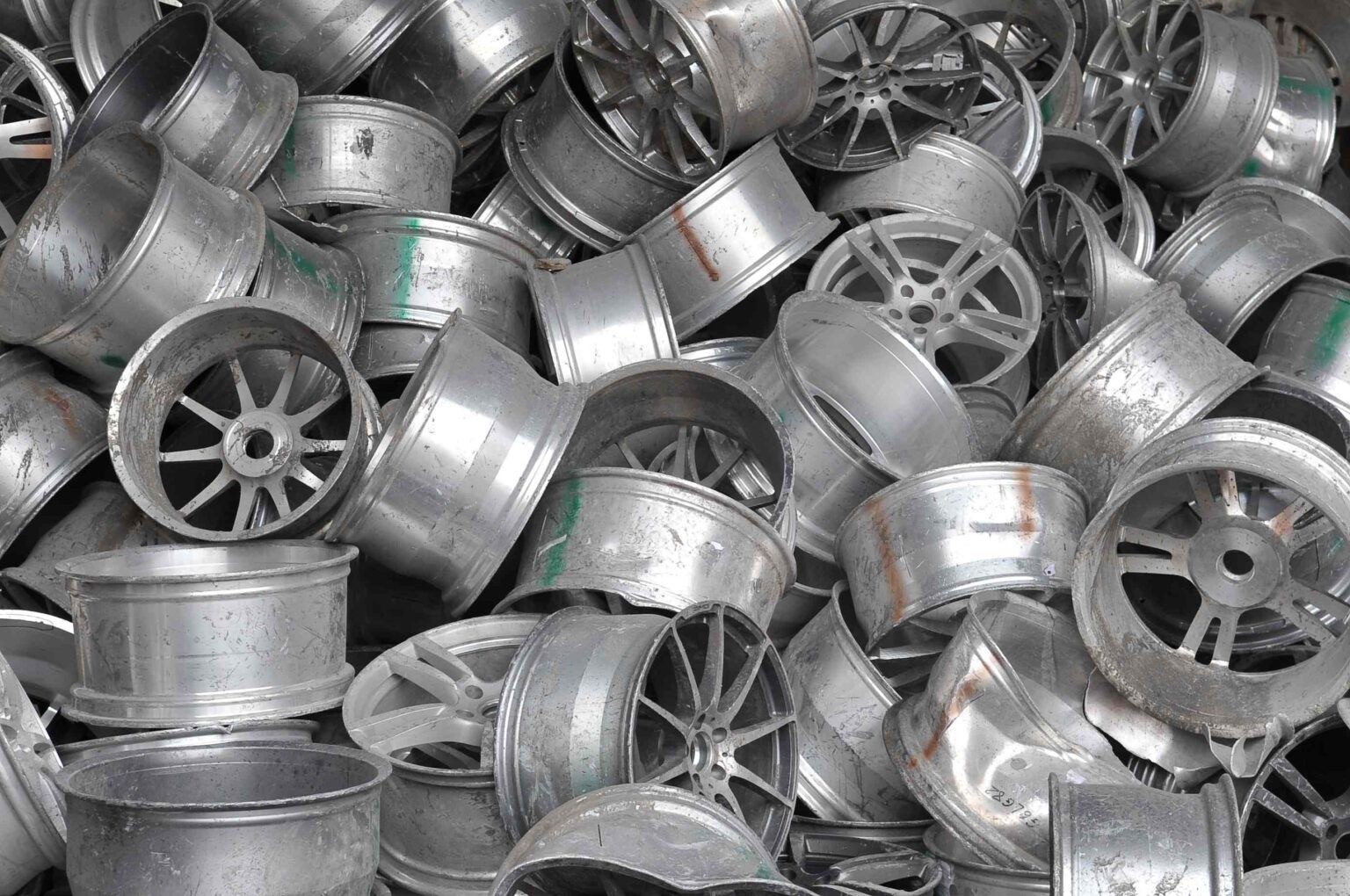
Aluminium
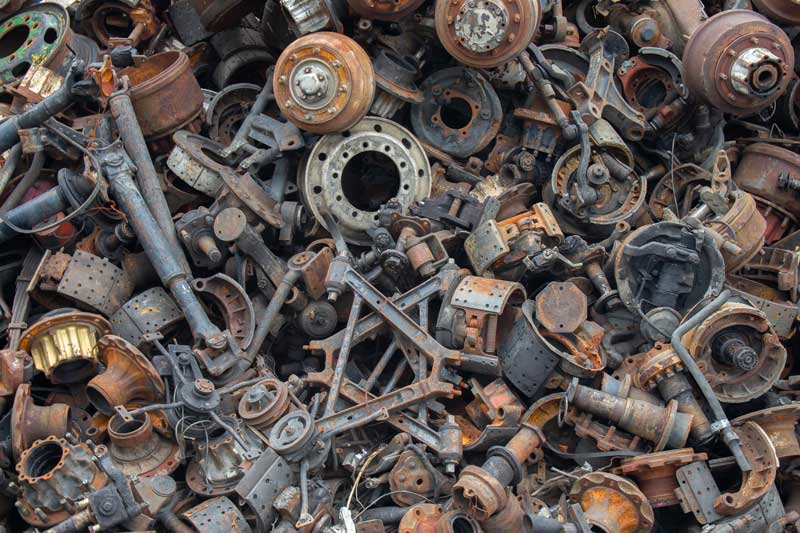
Wheel
Aluminium
Used Beverage Cans (UBC)
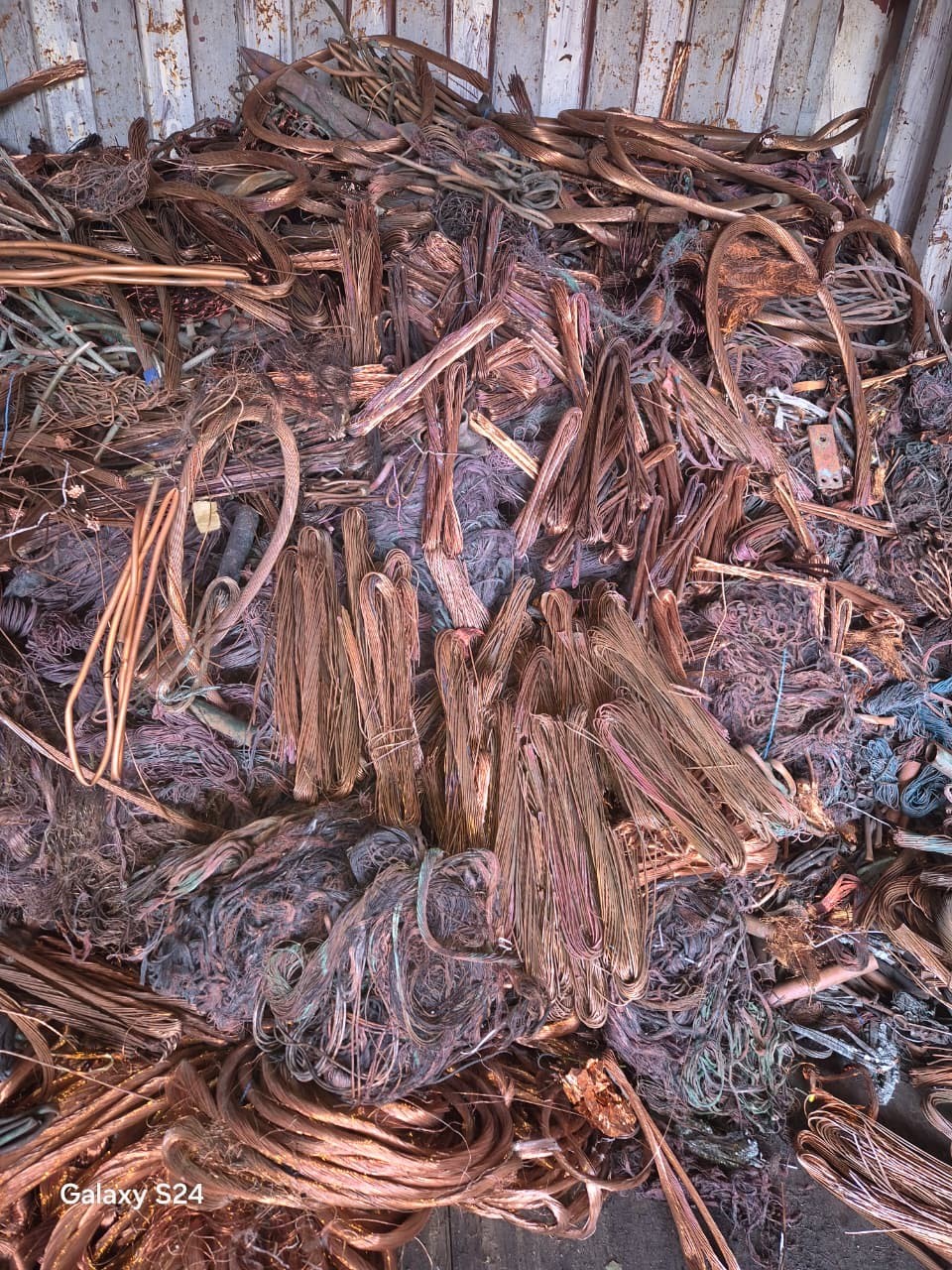
Copper
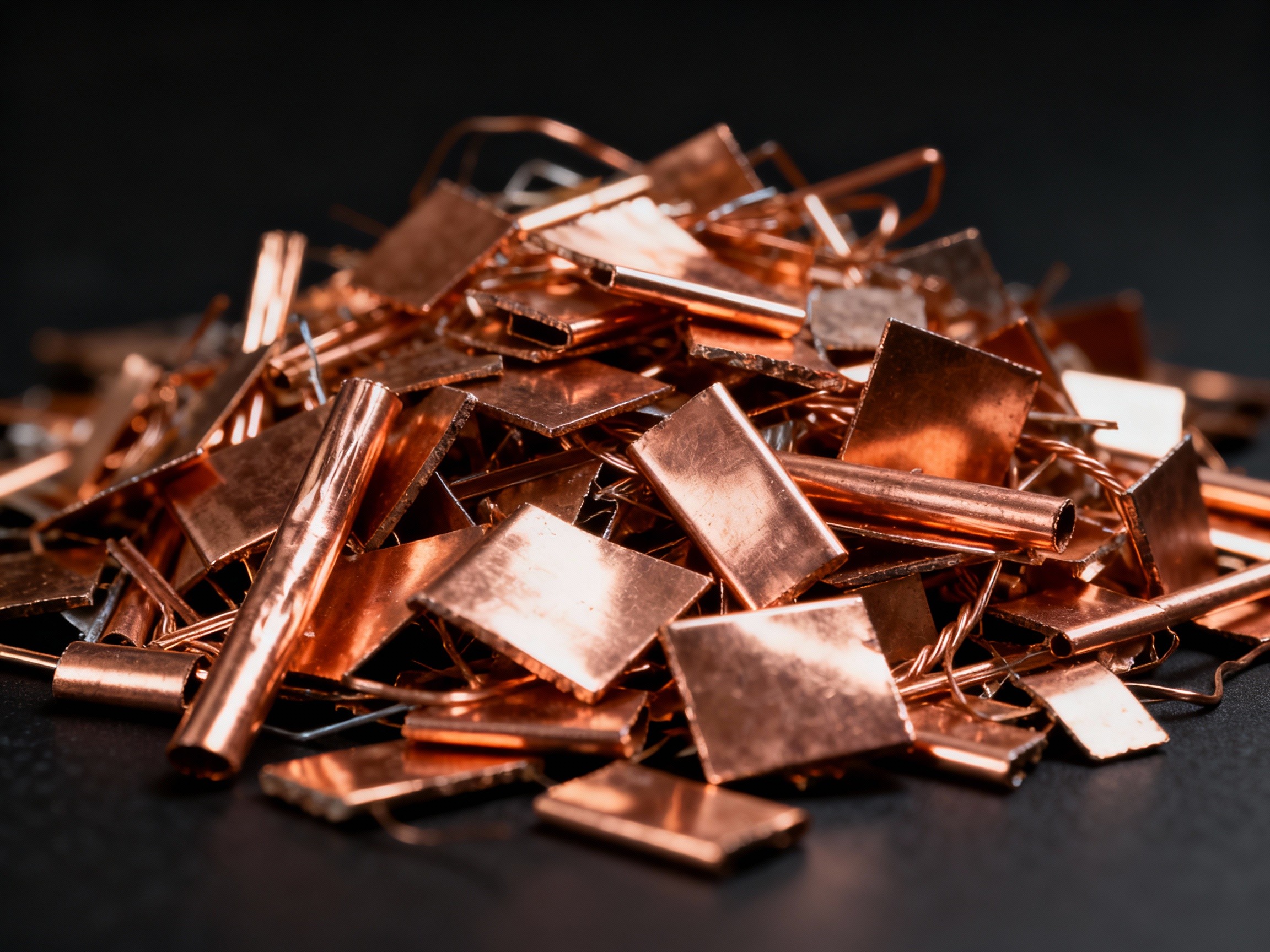
Armature





Why Choose Bullonex
Choosing Bullonex as your sourcing and distribution partner means choosing confidence, quality, and scale. Here’s why industrial leaders trust Bullonex:
What are the main ISRI grades of aluminium and copper scrap?
ISRI (Institute of Scrap Recycling Industries) defines standardized grades for non-ferrous scrap to ensure consistent global trade. Common aluminium grades include Tense (cast aluminium), Taint/Tabor (mixed sheet), Troma (clean 6063 extrusions), and UBC (used beverage cans). For copper, grades like Berry (bare bright), Birch (No.2 wire), Candy(heavy copper solids), and Elmo (motor scrap) are widely traded. These standards help buyers and sellers align on purity, composition, and price.
How is aluminium and copper scrap priced in India?
Scrap pricing in India is typically benchmarked to the London Metal Exchange (LME) spot rates, adjusted for local deductions based on grade purity, moisture, contamination, and freight. For example, Millberry copper may be priced near LME minus 4–6%, while lower grades like Birch or Elmo may have 8–15% deductions. Market conditions, import duty, and FX rates also influence final prices.
What is the difference between Millberry and Berry copper scrap?
Millberry is a trade term used globally for clean, bare bright copper wire. It is essentially equivalent to the ISRI grade Berry. Both refer to uncoated, unalloyed, bright copper wire with >99.9% purity. Millberry is preferred by refiners and smelters for its high conductivity and melt yield.
What are the typical uses of aluminium and copper scrap in industry?
Aluminium scrap is widely used in casting foundries, extrusion mills, and rolling operations to produce ingots, billets, and sheets. Copper scrap is used by wire and cable manufacturers, motor producers, transformer plants, and brass extrusion units. Recycled non-ferrous scrap helps reduce energy consumption and raw material cost in industrial production.
How can buyers verify the quality of metal scrap before delivery?
Common methods include visual inspection, moisture testing, and XRF spectrometry to confirm alloy composition. Buyers often appoint third-party inspection agencies at the port of loading or discharge to validate weight, grade, and packaging. Documentation like material test certificates and container photos are essential for transparency.
How is scrap metal typically packaged and shipped?
Scrap is packed in bales, bundles, briquettes, or loose depending on grade. Containers (20ft or 40ft) are typically used for international shipments, with weight ranging from 23–27 MT per container. Domestic shipments may use open trucks or covered trailers. Proper labeling, fumigation (if needed), and sealing are mandatory for customs and logistics compliance.
Can Bullonex supply container loads of aluminium or copper scrap for industrial buyers?
Yes. Bullonex specializes in the structured supply of non-ferrous metal scrap to industrial units across India. We support containerized and bulk shipments for mills, foundries, and recycling plants with consistent grade integrity, logistics support, and contract-based pricing.
How can I get a formal quotation or grade specification from Bullonex?
You can contact our commercial team at [insert email/phone] to request a quotation. Simply specify the grade (e.g., Tense, Millberry), required tonnage, destination, and preferred delivery window. We provide LME-linked pricing, full technical specifications, and clear commercial terms with no ambiguity.
Does Bullonex provide documentation like inspection reports or material traceability?
Yes. Every Bullonex shipment is backed by full documentation: including ISRI grade confirmation, loading photos, weighbridge slips, and third-party inspection reports when requested. We maintain batch traceability through our sourcing system, ensuring transparency from yard to delivery point.
How does Bullonex ensure on-time delivery to industrial clients?
We operate a nationwide logistics network with pre-positioned inventory and scheduled dispatch planning. Bullonex coordinates container movement, inland transport, and real-time updates to ensure material reaches the client's facility on schedule and in spec. Delays are proactively flagged and contingency plans are always in place.
How does moisture content affect scrap pricing?
Moisture reduces the net recoverable weight of scrap and can increase oxidation or damage during transit. High moisture levels may result in price deductions or rejection of the load. Most suppliers and buyers agree on acceptable moisture thresholds (typically <2%) as part of contract terms.
What are the environmental benefits of using recycled copper and aluminium?
Recycling copper saves up to 85% of the energy required to extract it from ore, and recycling aluminium saves up to 95%. This reduces greenhouse gas emissions, conserves natural resources, and lowers industrial carbon footprints — supporting circular economy goals in manufacturing.